
We're increasingly turning toward nature, so we must always consider how best to protect it by strengthening social responsibility for planet Earth, preserving the environment, protecting animals, using water more responsibly and eating healthily to maintain overall health.
With the growing trend of consuming animal protein at every meal, animal farming and industrial processing for food are often inhumane and harmful to nature, contributing to greenhouse gas emissions that affect the atmosphere.
Nowadays, we frequently hear of someone close to us having an allergic reaction to animal products, especially cow's milk. The author suggests this is not because milk itself is harmful when consumed in appropriate amounts, but because we can no longer be sure how animals are fed, unlike several decades ago. The concern is not only lactose reactions, but also the potential presence of hormones and large amounts of sugar, which can adversely affect health. This is one reason to consider using animal protein more moderately in our diets.
Along with carbohydrates and fats, proteins are essential macronutrients in every balanced diet. They support growth and development of tissues and help build muscles, blood, hair, skin, nails and internal organs. Proteins contain 20 amino acids, nine of which are essential and must be obtained through a balanced diet. The recommended protein intake for adults is 0.8–1 g per kilogram of body weight, and attention should be paid to obtaining 50% of that intake from plant protein sources.
To start, you could spend one day a week without meat and replace it with a thoughtful combination of plant proteins, legumes and grains, supplemented with nuts, seeds and plant-based milk.
For example, replace a palm-sized portion of meat with a combination of ½ cup of legumes of your choice (beans, peas, chickpeas, lentils, broad beans, etc.) and ½ cup of whole grains (oats, barley, bulgur, wheat, quinoa, couscous, millet, etc.). During the day, also enjoy a cup of plant-based milk in your breakfast, morning coffee or smoothie to take to work… Not so hard, is it?
To help you, I've created two simple recipes: delicious breakfast oatmeal with almond drink, berries and walnuts, providing 8 g of protein, and a banana, mango and ginger smoothie as a snack, containing as much as 4 g of protein!
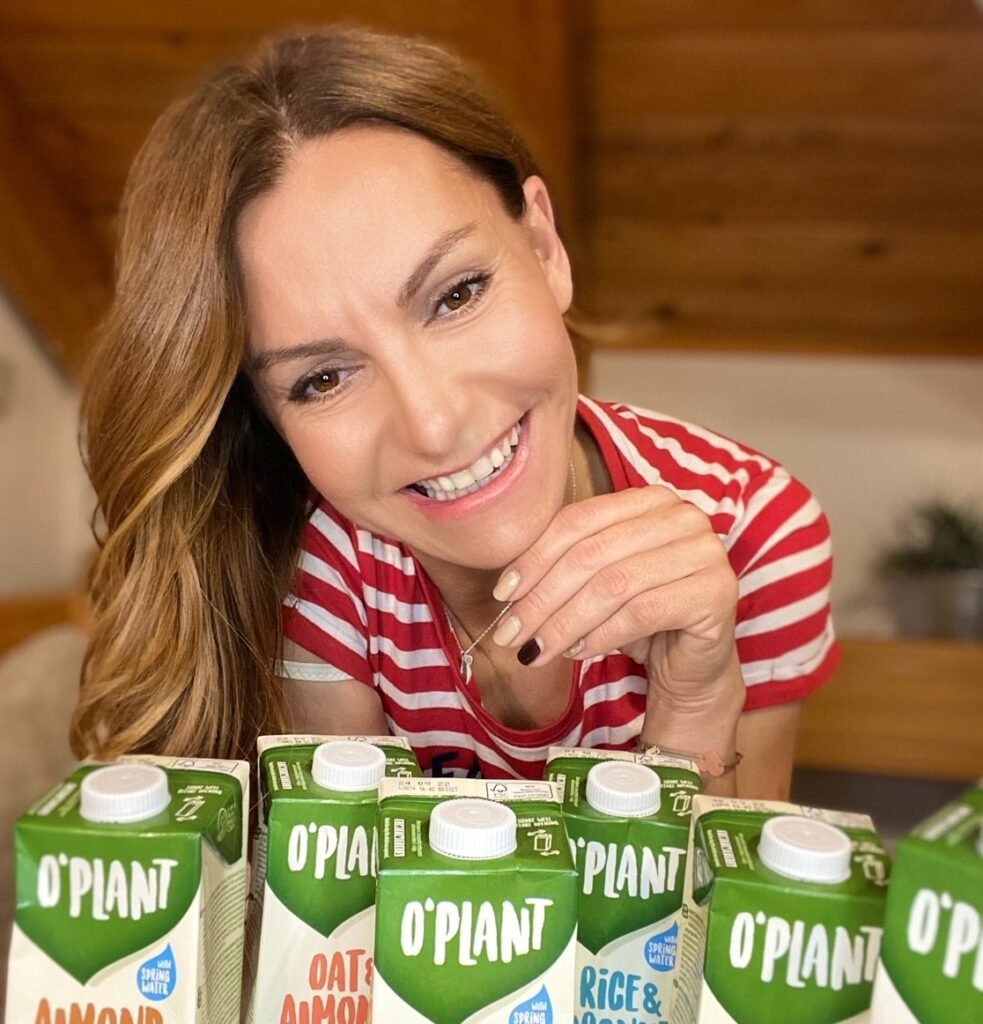
I had a hard time choosing which drink to use for these meals, because Podravka now offers a whole range of new O’Plant plant-based drinks, lactose-free and with no added sugar — which especially delighted me — with flavors to satisfy even the most demanding taste buds…?
Be sure to check out the recipes I've prepared for you in the Recipes section! ?

